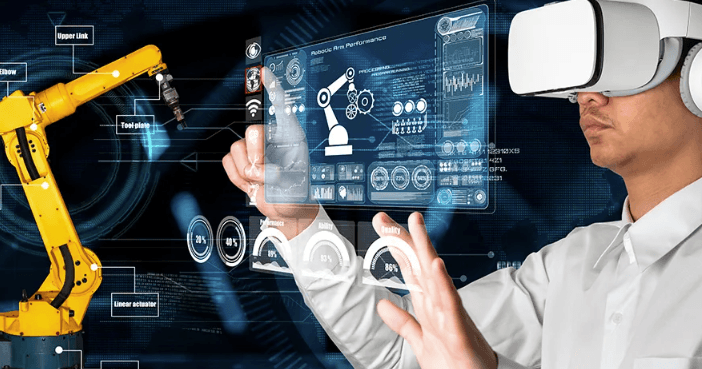
Spatial computing merges digital data with physical space through sensors, cameras, and spatial maps. Real-time context informs overlays on wearables and devices, guiding actions with minimal conscious latency. Interfaces adapt to workflows, delivering layered, actionable signals that feel embedded rather than added. The result is context-aware decisions and autonomous experiences across environments. Yet, the tradeoffs—privacy, latency, and design complexity—shape what comes next, inviting a closer look at how these overlays translate into tangible outcomes.
How Spatial Computing Works in Everyday Spaces
Spatial computing integrates digital information with the physical environment by mapping real-world space and overlaying virtual data in real time. In everyday spaces, sensors collect context, cameras track motion, and earbuds or wearables deliver guidance. Remote sensing informs scale and orientation, while tactile feedback conveys interaction, enabling seamless navigation, exploration, and control without conscious latency or clutter, preserving user autonomy and flow.
Real-World Use Cases That Blend Pixels and Places
Real-world use cases illustrate how digital overlays translate into tangible outcomes across industries, from manufacturing floors to retail spaces.
Spatial computing enables context aware interfaces that adapt to workflows, guiding workers and customers with layered guidance.
Spatial storytelling emerges as a core practice, turning plots of data into navigable experiences.
The approach emphasizes measurable impact, operational efficiency, and user autonomy.
Choosing the Right Technologies for Spatial Apps
Choosing the right technologies for spatial apps requires aligning capabilities with explicit use cases, data needs, and performance targets. Decision makers assess selecting hardware, evaluating SDKs, and calibrating spatial mapping to ensure reliability. Emphasis falls on optimizing latency, balancing edge vs. cloud compute, and ensuring platform interoperability, so teams deliver scalable, accurate experiences while preserving freedom to innovate beyond rigid toolchains.
Designing Intuitive Interactions in Spatial Environments
The discussion analyzes immersive markers and context aware sensing to cue actions, while spatial gestures map to expectations.
Augmented interfaces streamline workflows, enabling fluid control and feedback without cognitive overload, maintaining freedom through transparent, predictable interaction models.
Frequently Asked Questions
What Are the Security Risks of Spatial Computing in Public Spaces?
The security risks in public spaces_alt include surveillance overreach, data harvesting, device spoofing, and unauthorized sensor access; defenses rely on robust encryption, strong authentication, privacy-by-design, and transparent governance to empower users without compromising freedom.
How Do Privacy Policies Apply to AR Sensors and Mapping Data?
Privacy policies govern consent, data collection scope, and retention for AR sensors and mapping data, specifying data ownership and access rights; they define who can process, store, and share spatial information, balancing user autonomy with system requirements in deployment.
Can Spatial Computing Replace Traditional Interior Design Processes?
Spatial computing cannot fully replace traditional interior design processes, though it enables significant workflow transformation. It augments spatial design tasks, accelerates prototyping, and informs decisions with data-driven insights while preserving human-centric, creative oversight.
How Does Latency Affect User Experience in Real-Time Spatial Apps?
Holographic code from a steam-powered excesses, latency effects shape user perception in real-time spatial apps. It highlights security concerns and privacy policies, influencing interior design adoption, accessibility considerations, and freedom-loving users navigating performance, trust, and seamless interaction.
See also: lingodorturf
What Are Accessibility Considerations for Diverse Environments?
The question addresses accessibility considerations for diverse environments. Sensor design and inclusive interfaces must adapt to lighting, noise, motion, and terrain, enabling consistent interaction. It emphasizes flexible calibration, redundancy, and user autonomy for freedom-loving, tech-savvy audiences.
Conclusion
In summation, spatial computing fuses concrete environments with fluid data layers, enabling real-time guidance and layered insights without disrupting flow. By sensing context and projecting overlays, systems transform ordinary spaces into interactive canvases for work and intuition. The technology emphasizes seamless integration, choosing robust sensors, processing power, and user-centric designs. As adoption accelerates, stakeholders should balance precision with privacy, latency with clarity, and novelty with reliability—nailing the balance will be the name of the game. It’s a bridge, not a gimmick.
